NPS subscribers used to pick between a handful of familiar lifecycle funds. As of a PFRDA circular issued on 28 August 2026, they are looking at five scheme types, a five-letter risk-category system, and scheme names that read like stock tickers.
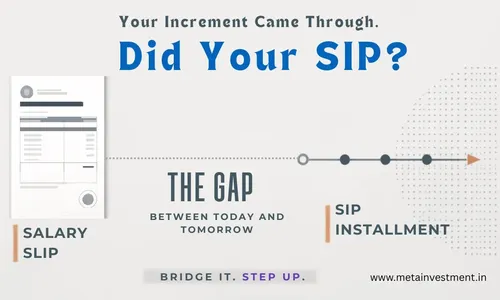
The increment letter lands in April or July, the revised salary credits a month later, and by September the household has quietly adjusted to the new number. One line item almost never gets revised in that window: the SIP instalment.
Most people compare premiums and sum insured before buying a policy. Almost nobody checks how the insurer actually handles complaints and claims — even though that data is public, free, and updated regularly.
A regulatory proposal from July could eventually put a professionally managed, individually owned portfolio within reach at Rs. 25 lakh instead of Rs. 50 lakh. Nothing has launched — which is exactly why it is worth understanding now, before the marketing arrives.
Every 15 August the conversation is about a freedom that took two centuries to win. There is a quieter freedom most working professionals are still building, one paycheck at a time — and the tools for it are more accessible than most people assume.
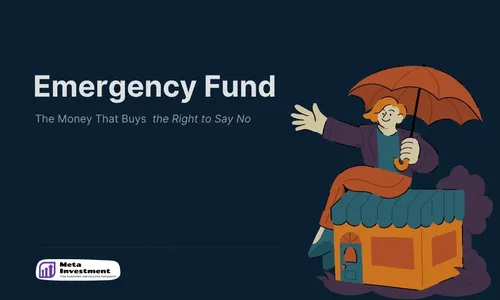
An emergency fund is usually explained as protection. But its more interesting function is what it lets you decline — the job, the project, the compromise you would otherwise have no choice but to accept.
Page 2 / 55